Oral health is not just about teeth — it’s about how we live, eat, sleep, and connect with others.
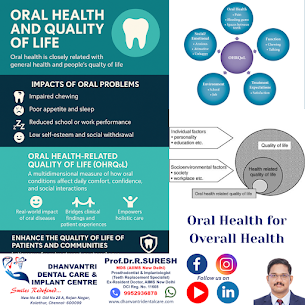
Dental issues like cavities or gum disease can impact much more than our physical health. They can lead to:
???? Impaired chewing
???? Poor appetite and sleep
???? Reduced school or work performance
???? Low self-esteem and social withdrawal
While traditional dental assessments focus on clinical indicators, they often miss the functional and emotional aspects that matter to patients.
That’s where the concept of Oral Health-Related Quality of Life (OHRQoL) comes in — a multidimensional measure that captures how oral conditions affect one’s daily comfort, confidence, and social interactions.
✅ OHRQoL helps us understand the real-world impact of oral diseases
✅ It bridges the gap between clinical findings and patient experiences
✅ And most importantly, it empowers us as dental professionals to focus on holistic care
Globally validated OHRQoL tools are now available and should be integrated into clinical practice and oral health policy. As oral healthcare providers, we have a responsibility not just to treat diseases — but to enhance the quality of life of our patients and communities.
Let’s continue to move from treatment-centered care to person-centered care.
Because a healthy mouth leads to a healthier, happier life.